Rust approaches silently. One season the garage door looks fine, the next you find orange freckles near the bottom areas and crust on the joints. Left alone, those spots spread out, repaint sores, and metal thins until a panel fastenings or a hinge rips out. I have actually seen three-year-old doors near active salty roadways pit early, and twenty-year-old doors in gentler areas remain practically beautiful. The difference generally comes down to wetness, salt, gunk, and whether the owner develops simple security into the routine.
Steel household garage doors are difficult, yet they are still steel. Corrosion avoidance is much less about miracle items and more concerning regular, thoughtful treatment. With a few practices you can lock corrosion out for several years, also if you live near Lake Michigan or on a slushy commute course with Valparaiso, Hammond, or Crown Point.
What actually creates the door to rust
Steel rusts when bare metal, oxygen, and water meet. Paint and factory surfaces try to maintain those components apart, but life discovers the seams. Road salt, fertilizer overspray, and difficult water deposits speed corrosion by allowing wetness cling and by damaging down finishes. On a garage door, the difficulty zones are predictable: the lower 2 areas, hemmed edges, bolts, hinges, struts, the lower brace assembly, and anywhere paint has actually cracked from bumps or ladder scrapes.
In neighborhoods with winter road treatments, salt spray adventures the wind and settles on the reduced panel, after that melts into the lower weatherseal channel. I frequently clean a fingertip along the lower retainer on a call Schererville or Portage and see white salt crust. If that rests for weeks, the metal under the paint starts to pit. Include a sprinkler that hazes the door every early morning, or a seamless gutter that unloads water near the tracks, and you have a steady bathroom of moisture.
Humidity alone hardly ever kills a modern door quickly, but duplicated wet-dry cycles do. Micro-scratches in the layer expand, and once corrosion begins it spreads out under the paint like origins. The very first rule is simple: maintain the door clean, completely dry, and sealed.
Where rust generally begins on a residential garage door
On thousands of service phone calls, the pattern repeats. The most affordable panel normally reveals the first freckles. The bottom brace, which supports the training cords, sits close to the concrete where pools accumulate. It is often plain steel or light zinc, and if the paint chips it rusts boldy. Hinge knuckles grab grit and catch wetness, especially if old oil has actually transformed sticky. The hemmed edges on stamped panels can establish little spaces where water wicks in. Bolt heads, particularly aftermarket screws that are not layered or repainted, come to be little corrosion blooms.
I ask house owners in Hobart and Merrillville to kneel and look along the lower one inch of the door. That fast glance frequently finds the earliest signs. If you capture them then, the fix is pain-free. If you wait, you might require to sand and place prime, or worse, replace a panel.
A basic cleaning set that works
You do not require a rack of specialized products. Keep a small set near the garage door and you will really make use of it.
- A soft car-wash glove or microfiber sponge, two buckets, and pH-neutral automobile clean soap A soft-bristle brush for equipment and the lower retainer Clean microfiber towels for drying A non-abrasive spray sealant or fluid wax safe for painted metal A plastic putty knife and a great Scotch-Brite pad for spot cleaning
A stress washing machine can assist on concrete, however go simple on the door. Excessive pressure, or a tight nozzle held close, can drive water into joints and raise paint. If you make use of one, step back, fan suggestion only, and keep it gentle.
How to wash a garage door without creating brand-new rust
Treat your residential garage door like a painted cars and truck, not a fencing. Wash gently to float off grit. Usage two pails, one with soapy water and one to rinse your glove. Job from the top down in broad, overlapping passes. Pay extra focus down eighteen inches. Rinse completely, then completely dry with tidy microfiber towels. Do not let water rest and air-dry in sunlight if you can help it, since minerals can engrave and chalk the finish.
For the hardware, dip the brush in soapy water and scrub hinge knuckles, shows off, the bottom brace, and the within the lower retainer where the weatherseal slides in. That little groove traps mud and salt. Meticulously wipe the vertical tracks to remove caked gunk, yet do not leave them oily. The rollers ought to roll, not move on grease.
After the door is clean and completely dry, use a safety layer to the painted faces. A spray polymer sealer designed for auto paint takes five to 10 mins and adds a hydrophobic layer that loses water and grime. Conventional paste wax works, also. Polymer sealants often tend to last longer and stand up to cleaning agent far better, while carnauba wax can provide a warmer gloss. Either one reduces the length of time wetness hold on to the surface, which slows down rust.
A light layer of silicone-safe protectant under weatherseal aids maintain it supple and reduces water wicking right into fractures. Skip petroleum items on rubber; they swell and shorten the seal's life.
Protective coatings that make an actual difference
I keep three types of coating in the vehicle for steel doors. For painted faces, a high-quality synthetic sealer beats cheap fast detailers because it remedies right into a thin movie that lasts a couple of months. On raw or lightly rusted equipment after clean-up, a zinc-rich chilly galvanizing spray can quit tiny spots from spreading out under a finish layer. On high-chafe metal like the bottom brace, a rust-inhibiting enamel over a keyed surface area holds up well.
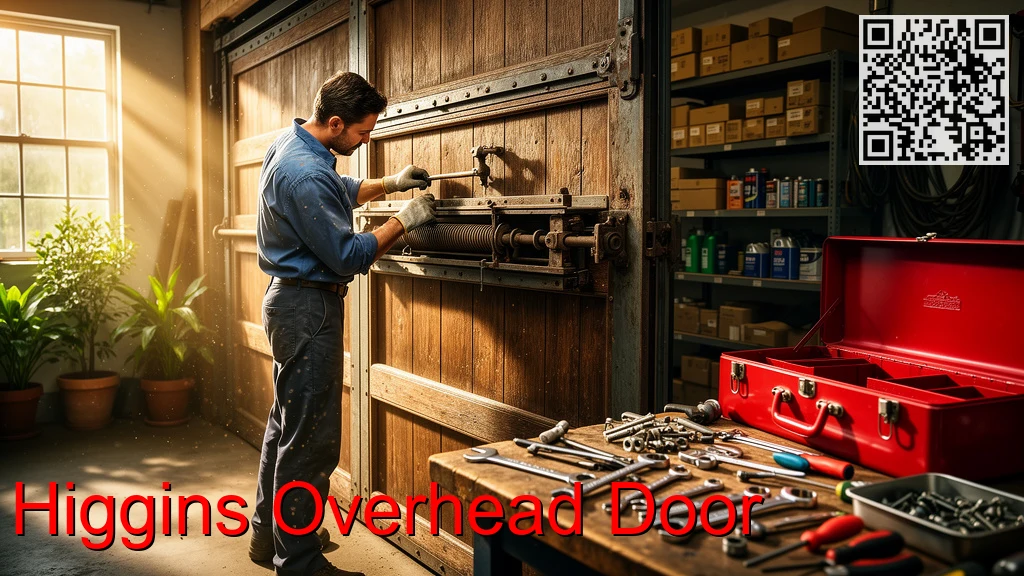
There is a compromise in between appearance and sturdiness. Brushed-on enamels on equipment last, however you will see the brush notes if you do not mask cleanly. Sprays lay smoother and reach holes, but you have to regulate overspray. If you are after a showroom view a more recent door, make use of masking tape, prime bare areas with a rust converter or zinc guide, then spray shade matched touch-up. If you just desire reputable rust prevention on a ten-year-old workhorse, tidy, prime, and brush enamel on the bracket and joint heads, then struck the confront with a spray sealant.
Paint care and touch-ups, the ideal way
A steel door's manufacturing facility surface is baked on, and with treatment it stands up to liquid chalking for several years. Once it chips, deal with the place before winter season. Sand carefully with a great rough pad to get rid of loosened paint and surface rust, plume the sides, clean with isopropyl alcohol, then prime with a rust-inhibiting guide. Permit proper remedy time, normally 30 to 60 mins for guide and a few hours for touch-up paint depending upon item and weather condition. Avoid heavy coats that sag. Color-matched touch-up pens from the door producer can be worth purchasing, particularly for whites that vary by brand.
If the surface on the sun-exposed side has actually chalked or discolored unevenly, take into consideration a full repaint. A light scuff sand, tidy, prime any kind of bare places, then spray or roll a top notch exterior steel paint. 2 slim coats defeated one thick one. I favor a low-sheen satin that hides little damages and withstands gunk. Repainting well can add a decade of protection.
Hardware choices that stand up to corrosion
When I set up or service Residential Garage Doors, I update equipment in salt-prone areas. Stainless-steel hinge screws, at the very least where water sprinkles, cut down on corrosion rings. Heavier scale pivots with much better plating last longer than economic situation equipment. Nylon rollers with sealed bearings do not require untidy oil and roll quieter, which reduces the lure to spray general-purpose lubricants throughout the track where they accumulate dirt and salt. If your bottom retainer is old steel, take into consideration switching over to an aluminum retainer when you replace the bottom seal. It stands up to rust and stress fits most weatherseals better.
The bottom weatherseal, typically called the astragal, deserves interest. A split or squashed seal imitates a sponge. Water wicks under and stays. Changing it every 2 to 5 years, or faster if you see daylight under the door, maintains the interior drier, protects the lower panel hem, and lowers insect access. If you live near Cedar Lake or Whiting where springtime puddles linger, a taller light bulb or a dual-fin seal provides more margin on a little uneven driveways. Set that with a garage limit on the flooring if the incline brings water toward the door. It is a moderate upgrade that spends for itself the first time a storm rolls through.
Design options at Garage Door Installment that pay off for decades
If you are looking for a brand-new door, avoidance starts at requirements. A double-skin, shielded steel door with a foam core maintains interior surface areas more detailed to room temperature and decreases condensation. Greater R-value doors frequently make use of thicker steel skins, which withstand dents that split paint. Manufacturing facility coatings differ; try to find a multi-coat baked-on paint system, not simply a solitary color layer. Several makers supply updated hardware sets with far better plating and stainless bolts in essential spots.
Composite overlays and synthetic timber coatings can look beautiful and still use a steel foundation, however make certain the overlay products are secured on all sides. Revealed timber edges can wick water and, paradoxically, feed rust below. On coastal or heavy-salt routes, talk with Garage Door Companies Near Me concerning powder-coated hardware options and light weight aluminum or composite lower retainers. Spending an additional couple of hundred dollars during Garage Door Installation can conserve thousands in panel substitutes a years later.
Smart practices around the driveway
Rust avoidance hardly ever hinges on one item. It resides in the tiny choices.
Angle lawn sprinklers so they do not mist the door. Fertilizer overspray lugs salts that stain and wear away. Rinse the door rapidly if you wash a salted winter car in the driveway. Maintain seamless gutters clear and think about a short downspout extension if overflow was sprinkling the door. If the piece inclines toward the garage, a low-profile limit bound to the concrete can quit meltwater from running under the weatherseal and merging inside the bottom panel. When you shovel or snow blow, try not to pile slush against the door. Loaded snow holds moisture to the paint, and the freeze-thaw cycle worries seams.
A winter months playbook for Northwest Indiana and comparable climates
From Hammond to St. John, salt is a truth of life. After a snow occasion, the reduced third of the door will certainly grab salt mist from web traffic and wind. During a workout, give the door a quick rinse with tidy water. It takes 2 minutes and avoids days of salt remaining on the paint. On bright winter days, unlock noontime for a couple of minutes to let the bottom hem and retainer dry out. That little bit of airflow does more than you would think.
If the door adheres the threshold, avoid carving near the bottom seal with steel tools. That tears the seal and reveals the light weight aluminum or steel retainer. Put a small amount of warm, not hot, water along the seal to launch it, after that dry the location with a towel. As soon as launched, a light clean of a silicone-safe protectant on the rubber keeps it flexible and less likely to stick again.
When the very first thaw of late winter season hits, intend a deeper clean. I set up many Garage Door Repair service Valparaiso and Garage Door Fixing Crown Point calls throughout that window for tune-ups. It is the excellent time to check, oil moving get rid of a garage door ranked lube, and repair any rock chips you missed in December.
Treating small corrosion spots correctly
Early corrosion does not indicate you are gone to a panel replacement. Manage it promptly and thoroughly.
- Clean the area with soapy water, completely dry, after that lightly mess up to remove loosened rust and plume repaint edges Wipe with alcohol, use a rust converter or zinc-rich guide, and let it heal as directed Touch up with color-matched paint in thin coats, allowing proper completely dry time Seal the whole panel confront with a polymer spray or wax as soon as the paint has totally cured
If a hinge knuckle is rusted and binding, get rid of the hinge, clean it, and paint. However, and this is essential, do not get rid of more than one joint or the lower brace at a time and never separate cable televisions or springs unless you are educated. The door might look harmless, however the counterbalance system stores serious energy.
When to call a pro for Garage Door Service
I encourage homeowners to clean, seal, and touch up paint. I do not encourage them to disassemble spring systems or get rid of lower brackets. Bottom brackets link to the training cords, which twist around drums powered by torsion or expansion springs. Loosen the wrong bolt and the cable can whip. I have actually seen do it yourself attempts in Lake Terminal and Munster end in near misses out on and a couple of ER trips. If rust has compromised a bottom bracket or the fasteners are spinning in thinned metal, that is a Garage Door Repair service work, not a Saturday project.
Call a reliable local firm if:
- The bottom brace or cable shows rust or fraying A panel joint has swelling or structural rust Hinges are removing of the panel You see irregular lifting, binding, or hear standing out near the spring
Search for Garage Door Repair Near Me and search for firms that service your specific area, such as Garage Door Repair Schererville, Garage Door Fixing Portage, or Garage Door Repair Service Whiting. A good tech will certainly replace compromised hardware with rust resistant parts, reset springtime equilibrium, and point out early problem you could miss.
Accessories and openers that assist indirectly
Residential Garage Door Openers with soft beginning and soft stop features minimize resonance at the top and bottom of traveling. Much less shaking methods fewer micro-cracks in older paint and much less loosening at bolts, which can open paths for moisture. Battery garage door cable repair back-up models likewise allow you cycle the door throughout a blackout without wrestling it, so you are much less attracted to require an icy seal.
A couple of Residential Garage Door Accessories add actual rust resistance:
- Aluminum or PVC bottom retainers matched with high-grade weatherseals Sealed nylon rollers that do not throw oil on the face of the door Powder-coated struts and hinges in high-splash zones
These do not remove the requirement for cleaning, yet they extend the period between deeper maintenance.
The money side, and why avoidance wins
A single substitute panel for a mid-range steel door frequently runs several hundred bucks mounted, and color matching can be tricky on aged finishes. A full door replacement can vary widely based upon size and insulation, yet it towers over the expense of a seasonal treatment set. On the other hand, an hour invested cleaning and sealing the door every couple of months expenses little and materially slows down corrosion. I have clients in Chesterton who do a fast laundry and seal 6 times a year and have ten-year-old doors that still grain water and reveal no rust at the hems. On the various other hand, I have actually changed a four-year-old base panel in Merrillville where a broken base seal evil saltwater all winter.
Think of finishing like insurance coverage. A $20 container of polymer sealant made use of 3 or four times a year repays if it quits also one panel touch-up, and it keeps the door festinating, which aids curb appeal and resale.
Myths and mistakes I see on service calls
One usual myth states you should lube every little thing, tracks consisted of. Do not. Tracks should be tidy, dry, and plumb. A light application of a garage door rated spray lubricating substance on the roller bearings, pivots at the pivot points, and the springtime coils is clever. Oil or oil throughout the tracks accumulates dust and salt that grind at the rollers and leak onto the door, making an unclean, destructive paste.
Another mistake is blasting the door with a high-pressure washer at close quarters. I have actually enjoyed paint lift and seals tear in this manner. Mild rinse, light soap, and soft devices keep the finishing intact. Lastly, avoid steel woollen or hostile abrasives on the repainted face. You could knock the corrosion off, yet you additionally strip the protective coating and invite more rust.
A seasonal rhythm that works
In spring, deep clean, inspect seals, and retouch any wintertime chips. Summertime brings sprinklers and tornados, so keep mist off the door and freshen the sealer mid-season. Loss is for seamless gutter checks, a pre-winter clean and wax, and replacing an exhausted bottom seal before snow arrives. Wintertime requires fast rinses after big salt days, cautious release of icy seals, and a midday dry when the sunlight shows up. Link these basic acts to various other tasks, and they end up being automatic.
If you require aid, we are nearby
If you are not sure where to begin, or if a spot has actually expanded beyond a simple touch-up, bring in a pro. Whether you browse Garage Door Business Near Me or call a relied on look for Garage Door Fixing Hammond, Garage Door Repair Service Hobart, or Garage Door Repair St. John, ask especially about corrosion prevention, equipment upgrades, and weatherseals. A short Garage Door Solution visit can include cleaning assistance, balancing the door so it relocates efficiently, switching corroded fasteners for stainless, and installing a light weight aluminum retainer with a fresh seal.
For property owners in Cedar Lake, Chesterton, Crown Factor, Lake Terminal, Merrillville, Munster, Portage, Schererville, Valparaiso, or Whiting, a well-serviced steel door should give you fifteen to twenty years of reliable use with only light aesthetic upkeep. Rust avoidance is not attractive, however it is basic, and it functions. Clean, completely dry, seal, and keep water relocating away. Pick better equipment when you can. Deal with tiny issues before they expand. Those behaviors keep the orange away and your garage door relocating efficiently year after year.
Higgins Overhead Door 1305 Erie Ct, Crown Point, IN 46307 +12196632231
 Ask ChatGPT
 Ask Grok
 Ask Perplexity
 Ask Claude
 Ask Google AI
 Ask You